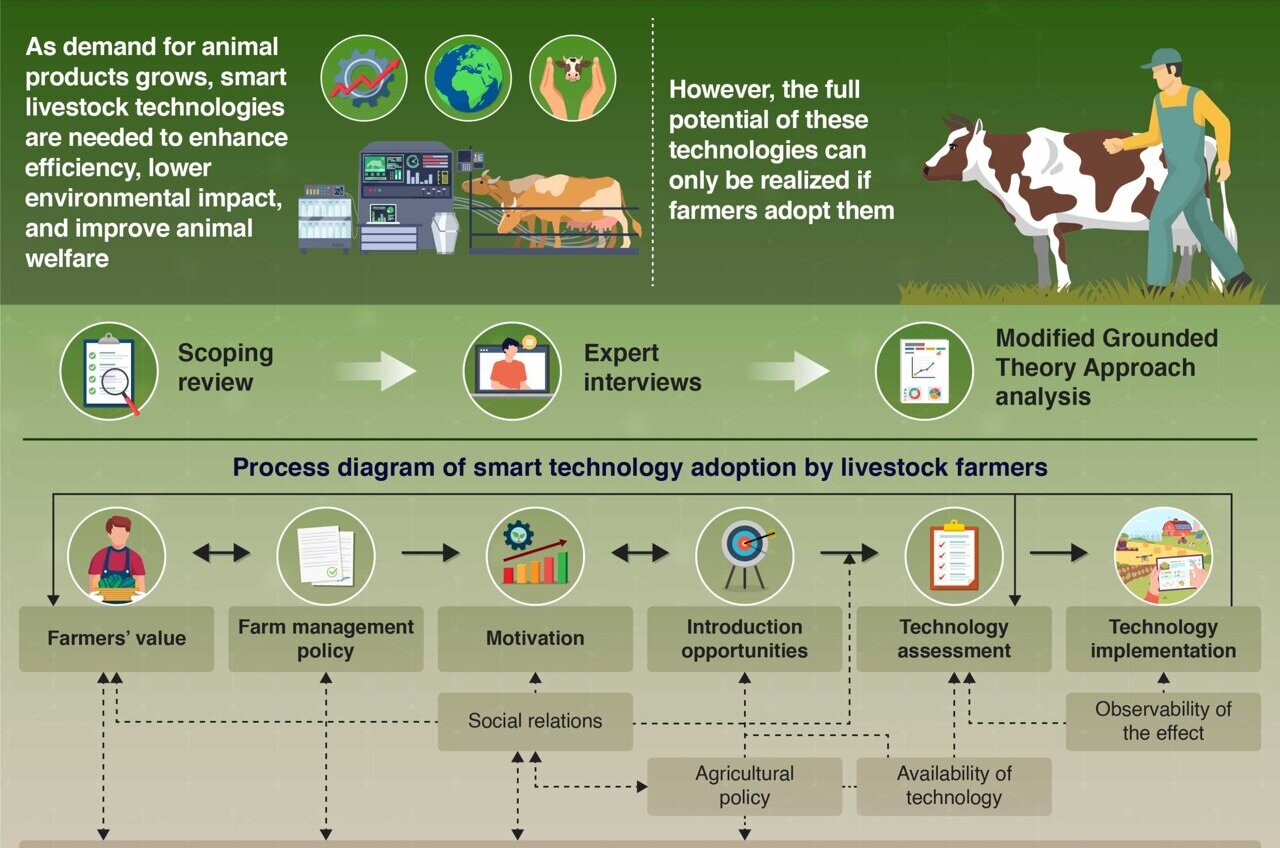
Trackfarm’s Smart Solution Boosts Efficiency and Animal Welfare
The global demand for pork continues to rise, yet the industry faces unprecedented challenges: volatile feed costs, labor shortages, and increasing regulatory pressure to improve animal welfare. Traditional farming methods, reliant on manual observation and reactive management, are struggling to keep pace. This is where Trackfarm, a revolutionary smart livestock solution, is fundamentally reshaping the future of pig farming. By integrating cutting-edge Internet of Things (IoT) sensors, advanced Artificial Intelligence (AI), and comprehensive data analytics, Trackfarm is delivering a powerful platform that not only maximizes operational efficiency but also elevates the standard of animal care.
The Dawn of Precision Livestock Farming
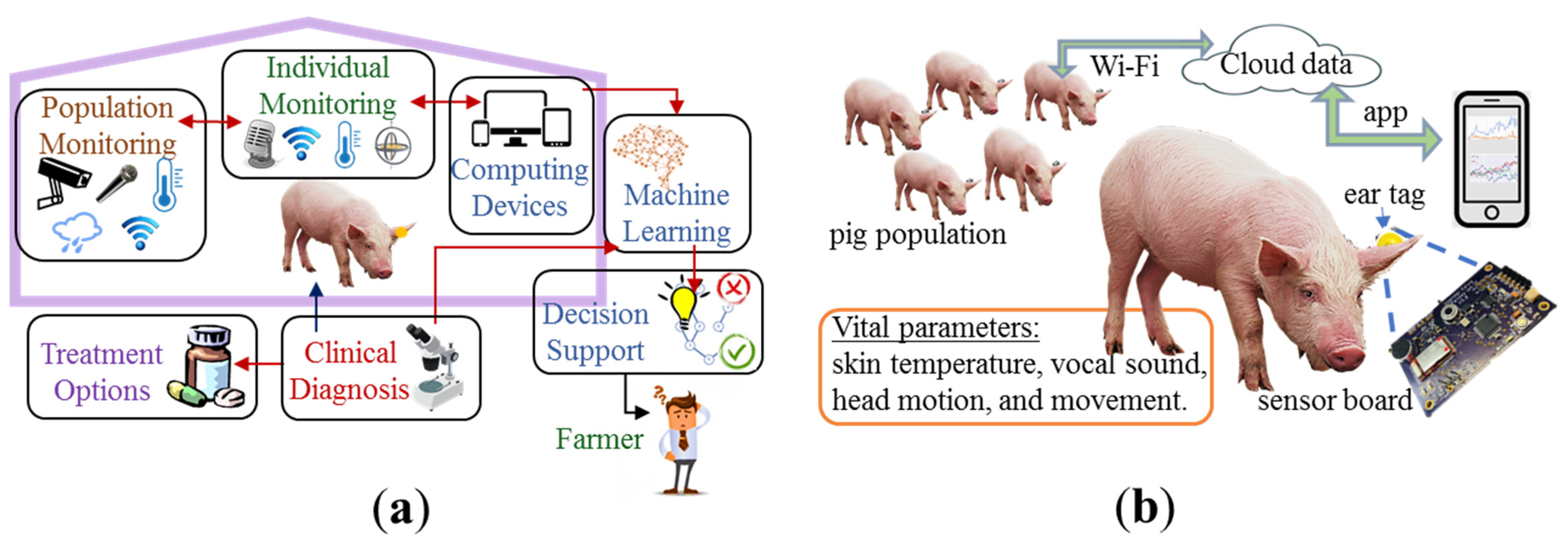
Precision Livestock Farming (PLF) is the application of information and communication technologies to manage livestock production. Trackfarm is at the forefront of this movement, moving beyond simple automation to provide true predictive intelligence. The system operates on a continuous feedback loop, collecting billions of data points daily from every corner of the farm—from individual animal behavior to environmental conditions within the barn.
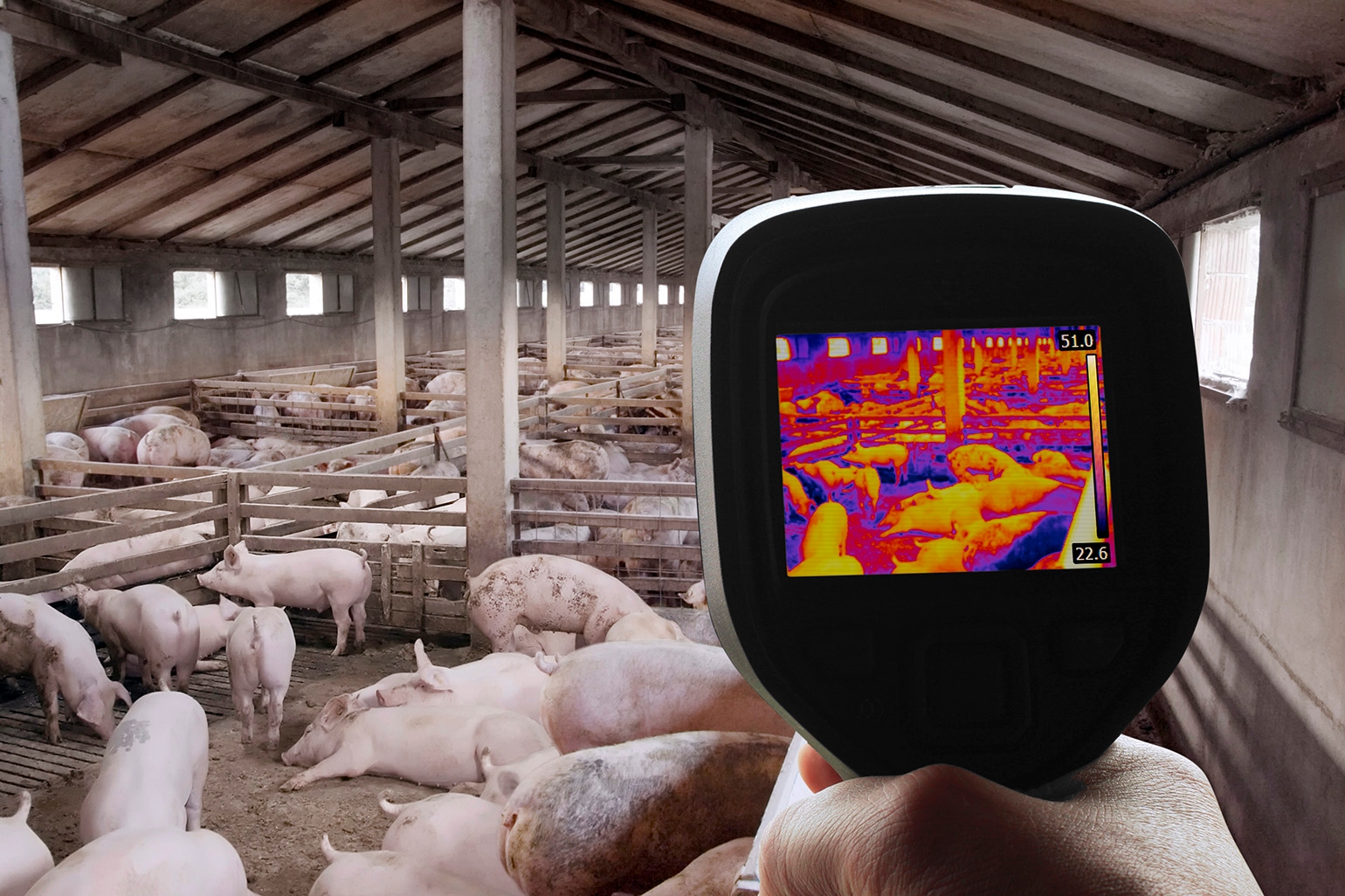
The core of the Trackfarm system is a network of non-invasive sensors. These include thermal cameras, acoustic monitors, weight-tracking floor sensors, and air quality probes. Unlike older systems that only provided aggregated data, Trackfarm’s AI engine processes this raw data to create a digital twin of the farm, allowing for real-time, individual-level monitoring of every pig. This level of granularity is the key to unlocking the next generation of farming efficiency.
Unlocking Unprecedented Operational Efficiency
The economic viability of a pig farm hinges on marginal gains in efficiency. Trackfarm’s solution targets the three most significant cost centers: feed, labor, and health.
1. Feed Conversion Ratio (FCR) Optimization
Feed typically accounts for 60-70% of a farm’s total operating costs. Even a small improvement in the Feed Conversion Ratio (FCR)—the amount of feed required to gain one unit of weight—can translate into massive savings. Trackfarm uses computer vision and specialized feeding station sensors to monitor the precise intake and eating behavior of each pig.
The AI analyzes patterns to identify feed wastage, sub-optimal consumption rates, and behavioral anomalies that suggest underlying health issues before they become visible. By correlating feed intake with growth rates and environmental factors, the system provides dynamic, personalized feeding recommendations. This precision feeding minimizes waste and ensures each animal receives the exact nutritional profile needed for optimal growth, significantly lowering the overall FCR for the herd.
2. Proactive Health Management and Early Detection
Disease outbreaks are the single greatest threat to profitability and welfare. Trackfarm’s AI acts as a 24/7 digital veterinarian, constantly scanning for the earliest indicators of illness.
Acoustic Monitoring: The system can differentiate between normal barn sounds and subtle acoustic signatures associated with respiratory distress (e.g., coughing, sneezing). Thermal Imaging: Thermal cameras detect localized temperature spikes that can indicate fever or inflammation, often days before a pig shows physical symptoms. Behavioral Analysis: Changes in movement, social interaction, and resting patterns are tracked. A pig spending more time isolated or showing reduced activity is flagged immediately.
This proactive approach allows farmers to isolate and treat individual animals early, preventing the spread of infection across the herd. The shift from reactive mass treatment to targeted, preventative care dramatically reduces veterinary costs and the reliance on antibiotics, contributing to global efforts against antimicrobial resistance.
Elevating Animal Welfare to a New Standard
The modern consumer demands higher standards of animal welfare, and Trackfarm provides the tools necessary to meet and exceed these expectations. The system’s focus on individual monitoring is inherently a welfare-driven approach.
Environmental Control and Comfort
Pigs are highly sensitive to their environment. Fluctuations in temperature, humidity, and air quality can cause stress, reduce growth, and increase susceptibility to disease. Trackfarm’s environmental sensors provide granular data on barn conditions, allowing for automated, fine-tuned adjustments to ventilation, heating, and cooling systems.
The system can predict when a heat stress event is likely to occur based on external weather forecasts and internal barn conditions, initiating preventative measures hours in advance. This constant optimization ensures the pigs remain within their thermoneutral zone, leading to calmer animals, better health outcomes, and improved growth.
Stress and Social Behavior Monitoring
Trackfarm’s computer vision system monitors social dynamics within the pens. Excessive aggression, bullying, or prolonged isolation are key indicators of stress or potential welfare issues. The AI can identify and alert the farmer to these behavioral patterns, allowing for timely intervention, such as adjusting pen density or providing enrichment materials.
By ensuring a low-stress environment, Trackfarm not only improves the quality of life for the animals but also directly impacts meat quality and farm productivity. A comfortable, healthy pig is a productive pig.
The Power of Predictive Data Analytics
The true value of Trackfarm lies not just in the data collection, but in the intelligent analysis and presentation of that data. The platform transforms raw sensor readings into clear, actionable insights delivered via a user-friendly dashboard.
Farmers gain access to predictive models that forecast growth trajectories, estimate market readiness, and predict potential health risks days or weeks in advance. This allows for strategic planning, from optimizing the timing of sales to ensuring feed stock levels are appropriate for the predicted growth curve.
Key Performance Indicators (KPIs) at a Glance
The Trackfarm dashboard consolidates complex data into essential KPIs, providing a comprehensive overview of farm performance.
| KPI Category | Metric | Trackfarm Impact | Traditional Method |
|---|---|---|---|
| Health | Early Disease Detection Rate | >95% (Predictive) | <50% (Reactive) |
| Efficiency | Feed Conversion Ratio (FCR) Improvement | 5-10% Reduction | Manual Estimation |
| Welfare | Stress/Aggression Incidents | Real-time Alerting | Daily Visual Check |
| Growth | Time to Market Readiness | Reduced by 3-5 Days | Scheduled/Estimated |
| Labor | Time Spent on Pen Checks | Reduced by 40% | Full Manual Inspection |
This data-driven approach replaces guesswork with certainty, empowering farmers to make evidence-based decisions that maximize both profit and welfare.
Implementation and Scalability: A Solution for Every Farm
Trackfarm is designed for seamless integration into existing farm infrastructure, regardless of size or age. The modular nature of the IoT sensors means the system can be scaled from a small family farm to a large-scale industrial operation.
The installation process is non-disruptive, and the system is operational within days. The AI is designed to learn the unique characteristics of each farm, continuously refining its models to improve accuracy over time. This adaptability ensures that Trackfarm is a long-term investment that grows with the farm.
A Day in the Life with Trackfarm
Imagine a farmer starting their day. Instead of spending hours walking every pen to visually check on thousands of animals, they open the Trackfarm app on their tablet.
The dashboard immediately highlights three priority alerts:
- Alert 1 (Health): A specific pig in Pen 4 is showing a 1.5°C temperature increase and a 15% reduction in feed intake. The farmer is directed to that single animal for targeted inspection and treatment.
- Alert 2 (Environment): The ventilation system in Barn B is struggling to maintain optimal humidity due to a sudden weather change. The system has already increased fan speed, but the farmer is advised to check the air inlet filters.
- Alert 3 (Efficiency): The growth projection for a batch of pigs is ahead of schedule, suggesting they will reach market weight three days earlier than planned. The farmer can immediately contact the processor to secure an earlier slot, maximizing market price.
This focused, data-driven workflow drastically reduces labor time and shifts the farmer’s role from constant monitoring to strategic management.
Economic Impact: A Clear Return on Investment (ROI)
The investment in smart farming technology is justified by a clear and measurable Return on Investment (ROI). Trackfarm delivers financial benefits through several channels:
Reduced Mortality: Early disease detection is the single biggest factor in reducing mortality rates, saving thousands of dollars per year for large operations. Lower Feed Costs: FCR optimization directly translates into fewer tons of feed purchased annually. Optimized Labor: Automation of environmental control and targeted inspection reduces the need for constant manual labor, allowing staff to focus on high-value tasks. Better Market Timing: Accurate growth forecasting allows farmers to hit peak market windows, securing the best prices for their livestock.
The system essentially turns the farm into a highly optimized, data-driven production facility, ensuring consistent output and predictable profitability, even in volatile markets.
The Future of Sustainable Pig Farming
Trackfarm is not just a tool for today; it is a platform for sustainable farming tomorrow. By minimizing waste, reducing antibiotic use, and optimizing resource consumption (water, energy for climate control), the solution helps farms meet increasingly stringent sustainability goals.
The data collected by Trackfarm provides an auditable, transparent record of animal welfare and production practices. This transparency is becoming a critical asset for farms seeking premium pricing and meeting the demands of environmentally conscious retailers and consumers.
The integration of AI and IoT in livestock farming is no longer a futuristic concept—it is a present-day necessity. Trackfarm is leading this charge, providing a robust, intelligent, and humane solution that ensures the longevity and prosperity of the pig farming industry. The future of food production is smart, efficient, and deeply committed to animal welfare, and Trackfarm is the engine driving that change.
The journey to a more efficient and ethical farm begins with data. Trackfarm provides the lens through which farmers can see their operation with perfect clarity, allowing them to nurture their animals and their business with unparalleled precision. The result is a healthier herd, a healthier bottom line, and a more sustainable future for all.
This article is a promotional feature on the advancements in Precision Livestock Farming.